Source Jewelry Gift Bag for Packaging, Gifts, and Crafts
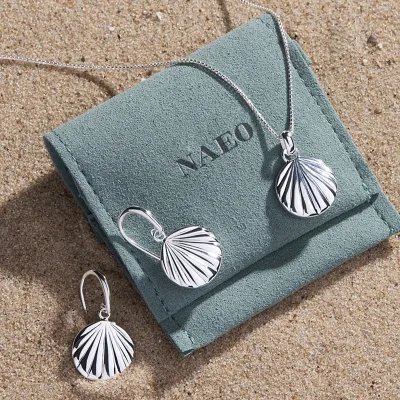
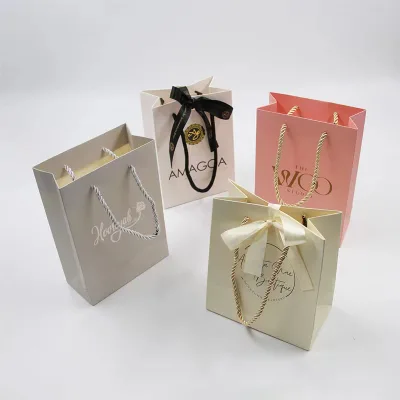
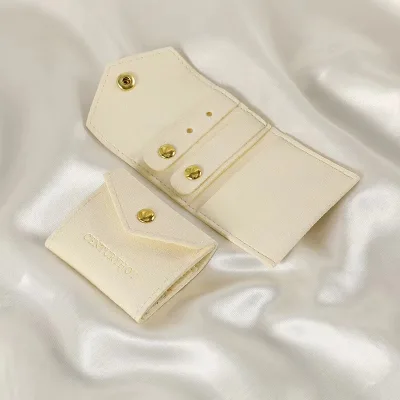
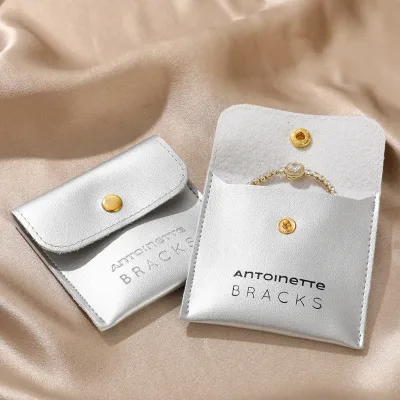
Explore 30 verified options for jewelry gift bag solutions including velvet, microfiber, and leather materials. Buyers can compare customization features, sizes, and eco-friendly attributes from suppliers in China to find the right packaging for digital products, toys, and cosmetics; compare the available evidence and request quotations based on your requirements.
Key considerations
Products List




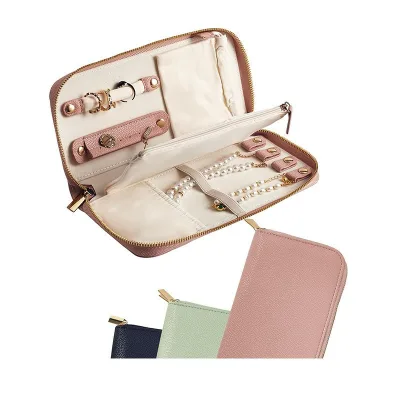
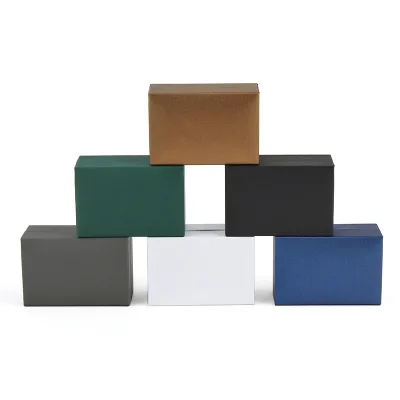


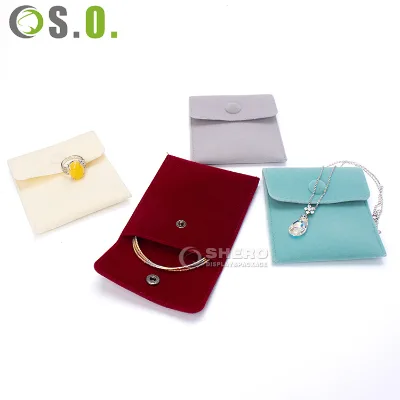
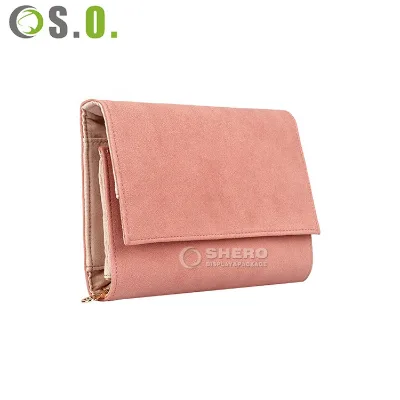
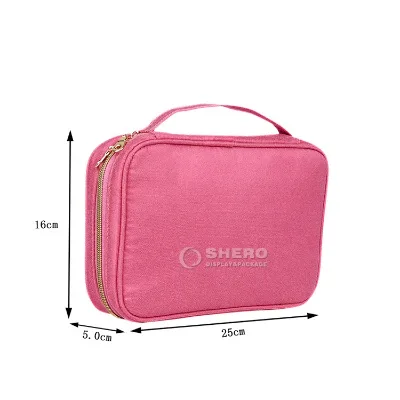
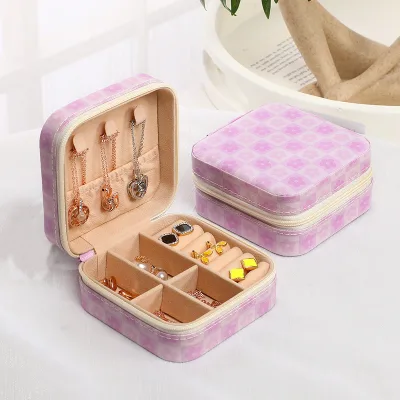

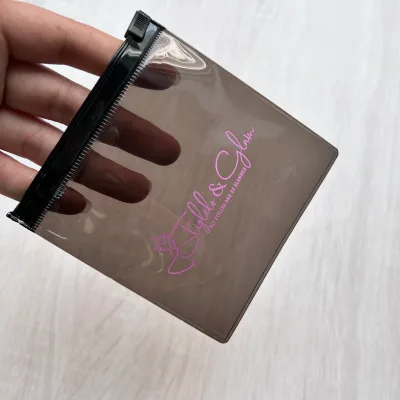
Comprehensive Sourcing Guide
Jewelry Gift Bag Sourcing Guide
Sourcing high-quality jewelry gift bags requires a strategic approach that balances aesthetic appeal with functional protection. Buyers must navigate a diverse market where materials range from soft velvet and satin to durable microfiber and eco-friendly felt. The primary objective is to select packaging that enhances the perceived value of the jewelry while ensuring the items remain secure during transit and storage. Understanding the specific needs of your target audience, whether they are luxury consumers or budget-conscious shoppers, will dictate the appropriate material and finish.
This guide provides a structured framework for evaluating suppliers and products based on observed market data and industry standards. It focuses on critical decision points such as material selection, customization options, and compliance requirements. By adhering to these guidelines, procurement professionals can mitigate risks associated with poor quality control and ensure that the final packaging aligns with brand identity and sustainability goals. The following sections detail the essential steps for successful sourcing.
Product Scope and Observed Listing Signals
The current market for jewelry gift bags exhibits a wide variance in pricing, typically ranging from $0.01 to $4.89 per unit, reflecting differences in material quality and customization complexity. Minimum order quantities (MOQs) are equally flexible, starting from just one piece for sampling up to 3,000 units for bulk production. This flexibility allows buyers to test market response with low-volume orders before committing to large-scale purchases. The observed product count of 30 distinct listings indicates a competitive landscape with numerous specialized suppliers offering tailored solutions.
Key attributes observed in successful listings include customization availability, eco-friendly features, and specific shape designs such as rectangles or hearts. Materials like velvet, felt, and satin are prevalent, often paired with silk-screen printing for logo application. Buyers should note that packing methods vary, with some suppliers offering polybag packaging by unit or by gross weight, while others use OPP bags with carton consolidation. Understanding these logistical details is crucial for calculating landed costs and ensuring efficient warehouse handling upon receipt.
Technical Specifications to Verify
Verifying technical specifications is paramount to ensuring the packaging meets functional requirements. Buyers must confirm exact dimensions, as observed sizes range from small 10x15cm pouches to larger 36x28cm vertical editions. The shape of the bag, whether rectangular, heart-shaped, or square, must align with the jewelry items being packaged to prevent damage. Additionally, the model numbers provided by suppliers, such as CHD-881R or FLY-HB210435, serve as unique identifiers for quality consistency across repeat orders.
Material composition is another critical specification, with options including microfiber, leather, and various fabrics. Buyers should verify the weight and density of the material, as some listings mention a gross weight of approximately 10.000 kg for bulk shipments, which impacts shipping costs. Printing techniques, such as silk-screen or matte/glossy lamination, affect the final aesthetic and durability of the logo. Ensuring these specifications are clearly defined in the purchase order prevents discrepancies between the sample and the bulk production.
Compliance and Safety Documentation
Compliance with international standards is essential for selling jewelry gift bags in regulated markets. Buyers should request documentation for certifications such as BSCI, FSC, Disney, and SGS, which indicate adherence to social responsibility, sustainable forestry, and quality management systems. These certifications are particularly important for brands that prioritize ethical sourcing and environmental sustainability. Verifying the validity of these certificates ensures that the supplier maintains consistent standards throughout the production process.
In addition to certifications, buyers must ensure that the materials used are safe for direct contact with jewelry items. This includes verifying that inks and adhesives are non-toxic and do not cause tarnishing or discoloration of metals and gemstones. The feature of being recycled or eco-friendly should be substantiated by credible documentation rather than marketing claims. Establishing a clear compliance framework protects the brand from potential legal issues and enhances consumer trust in the product's safety and ethical background.
Cost Drivers and Commercial Terms
Several factors influence the final cost of jewelry gift bags, including material selection, customization complexity, and order volume. High-quality materials like velvet or leather naturally command higher prices compared to standard felt or paper options. Customization features such as logo printing, specific shapes, and unique sizes add to the production cost. Buyers should analyze the price range of $0.01 to $4.89 to understand the value proposition of different suppliers and avoid overpaying for unnecessary features.
Commercial terms, including MOQs and payment conditions, significantly impact cash flow and inventory management. Low MOQs of 10 pieces allow for flexibility but may come with higher per-unit costs. Conversely, larger orders of 3,000 units often benefit from economies of scale. Buyers should negotiate clear terms regarding packaging, such as 20PCS/OPP or 100PCS/CTN, to optimize storage and shipping efficiency. Understanding these cost drivers enables more accurate budgeting and pricing strategies for the final retail product.
Supplier Qualification and Quality Control
Qualifying suppliers involves a thorough assessment of their production capabilities and quality control processes. Buyers should verify the supplier's origin, with many listing China or Guangdong as their place of origin, indicating a strong manufacturing base. It is crucial to request samples to evaluate the physical quality of the bags, including stitching, material texture, and print clarity. Suppliers offering OEM services provide additional flexibility for brand-specific requirements, but their ability to maintain consistency must be tested.
Quality control measures should be integrated into the procurement process to minimize defects. Buyers should establish clear acceptance criteria for color accuracy, size tolerance, and material durability. Regular audits or third-party inspections can help ensure that the bulk production matches the approved sample. Additionally, verifying the supplier's ability to handle custom requests, such as specific lamination finishes or unique shapes, ensures that the final product meets brand expectations. A robust quality control strategy reduces the risk of returns and customer dissatisfaction.
Long-Term Procurement Checks
Long-term success in sourcing jewelry gift bags requires ongoing monitoring of supplier performance and market trends. Buyers should regularly review supplier compliance with agreed-upon standards and certifications to ensure continued adherence to ethical and quality benchmarks. Tracking changes in material costs and availability helps in anticipating price fluctuations and adjusting procurement strategies accordingly. Maintaining a diversified supplier base can mitigate risks associated with single-source dependencies and supply chain disruptions.
Furthermore, staying informed about emerging trends in packaging, such as new eco-friendly materials or innovative design features, allows brands to stay competitive. Buyers should periodically reassess their packaging needs in light of changing consumer preferences and regulatory requirements. Establishing a feedback loop with end-users can provide valuable insights into the functionality and aesthetic appeal of the packaging. Continuous improvement and adaptation are key to maintaining a high-quality supply chain that supports brand growth and customer satisfaction.
FAQs
What materials are used for these jewelry gift bags?
The bags are made from velvet, felt, satin, or microfiber materials. Some options are also available in leather. These materials ensure durability and a premium feel for packaging jewelry, digital products, and gifts effectively.
Can I request custom logo printing on the bags?
Yes, logo printing is available with silk-screen techniques. You can also choose matte or glossy lamination for the finish. Customization allows you to brand the bags for jewelry, toys, or health care products according to your needs.
Which certifications do the manufacturers hold for these bags?
Manufacturers hold BSCI, FSC, Disney, and SGS certifications. These standards ensure ethical production and material safety. The products are also described as recycled and eco-friendly, meeting various international compliance requirements for global buyers.
What is the minimum order quantity for custom bags?
The minimum order quantity ranges from 1 to 3000 units depending on the specific model. Some listings specify an MOQ of 10 pieces. Flexible options exist for small batches or large volume orders across different product specifications.
How are the jewelry bags packed for shipment?
Packing varies by model, often using poly bags with cartons. Some items are packed 20 pieces per OPP bag with 20 bags per carton. Others use 10 pieces per OPP bag with 100 bags per carton for efficient shipping.
Where are these jewelry gift bags manufactured?
The products originate from China, specifically from Guangzhou and Guangdong. This location supports efficient manufacturing and logistics. Buyers can source directly from these regions for reliable supply chain management and competitive pricing.